
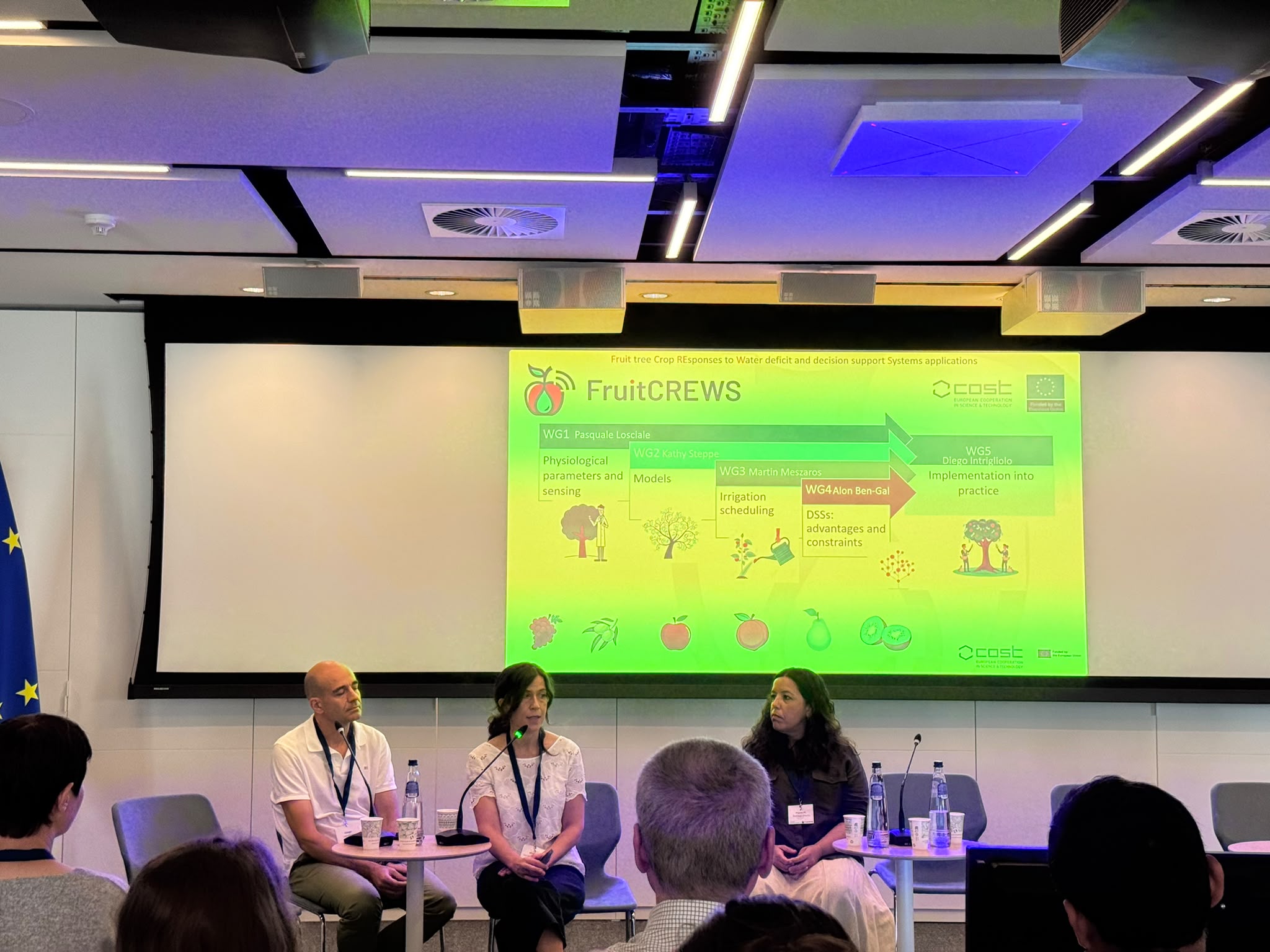
1. In two or three sentences, what was your main role in FruitCREWS, and which achievement of your Working Group (or area of responsibility) are you most proud of?
As Vice-Chair of FruitCREWS, I worked closely with the Chair and Working Group leaders to help coordinate the Action and strengthen collaboration across our growing community. I contributed to communication, training and networking activities, including coordinating the FruitCREWS e-seminar series, participating in Training Schools and hosting several researchers through STSMs. What makes me most proud is having helped create a network in which scientific collaboration naturally evolved into meaningful professional relationships and friendships, generating opportunities that will continue long after the Action has ended.
2. What is your most memorable moment from the four years of the Action?
What I think I will remember most are the extraordinary relationships I built with remarkable scientists whom I had admired long before joining the Action and from whom I learned so much, as well as with many promising young researchers. I also think this is the closest I have come in my professional career to seeing my research make a real impact on European society, through discussions with policy-makers in Brussels on behalf of a community of more than 350 people sharing a common objective: producing fruit more sustainably from a water-use perspective. It has been especially rewarding to see our work contribute not only to scientific publications, but also to policy recommendations through the FruitCREWS Position Paper, which is currently being finalized. Hosting the annual meeting in Seville and welcoming colleagues to the La Hampa experimental farm was also very special. I greatly enjoyed hosting students, postdocs and senior researchers at IRNAS-CSIC through STSMs. Seeing people learn from one another and create lasting collaborations has been one of the most rewarding aspects of FruitCREWS.
3. In one sentence: what will remain of FruitCREWS in five years’ time?
The lasting legacy of FruitCREWS will be a strong international community united by a common objective: translating scientific knowledge into practical solutions for more resilient and sustainable fruit production.
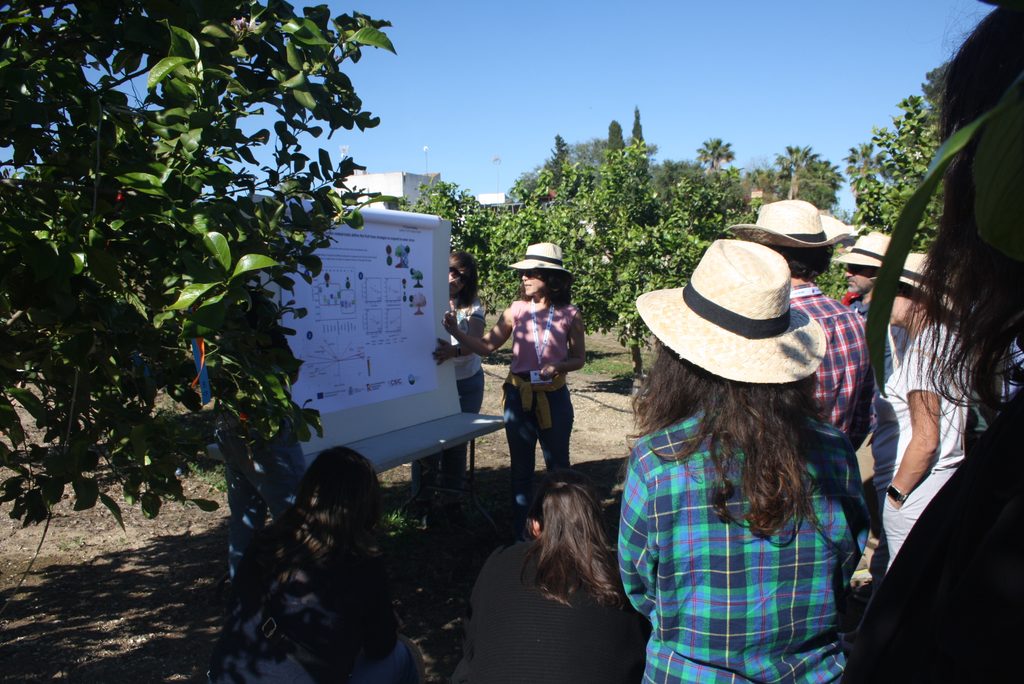
4. You hosted the second FruitCREWS annual meeting in Seville in April 2024, including the visit to the La Hampa experimental farm, which was planned as one of the FruitCREWS living labs. What role did living labs and field visits play in connecting research with growers?
Living labs and field visits are among the most effective ways of bridging the gap between research and practice. During our visit to La Hampa, participants could move beyond presentations and discussions and observe first-hand the challenges associated with managing fruit orchards under increasing water scarcity. These exchanges help ensure that research remains relevant to growers’ needs while giving producers direct access to the latest scientific developments and technological innovations.
5. At the final workshop in the European Parliament you presented FruitCREWS and its main results to policy makers and stakeholders. Looking at the whole Action, which result do you think will be most useful for growers?
Looking at the whole Action, I believe one of the most valuable outcomes for growers is the body of knowledge generated on how to assess tree water status and use that information to make more informed irrigation decisions. By bringing together expertise in plant physiology, sensing technologies, modelling and decision-support systems, FruitCREWS has helped move us closer to irrigation strategies that are both scientifically robust and feasible under real farming conditions. At the same time, through a pan-European survey, we were able to identify and quantify the main barriers that still limit the adoption of these tools by growers. What I find especially valuable is that we did not stop at identifying these challenges. We brought this evidence to discussions with policy-makers and stakeholders in Brussels, communicated it through scientific publications, and incorporated it into the policy-oriented FruitCREWS Position Paper. In my view, helping create the conditions that facilitate the adoption of existing knowledge and technologies may ultimately have the greatest impact on growers.
6. As Vice-Chair, what did you learn about running a large international network that you would share with someone starting a new COST Action?
My main lesson is that people are the real success factor of a COST Action. Scientific objectives are important, but they are only achieved when participants feel engaged, welcomed and valued. Activities such as annual meetings, Training Schools and STSMs created opportunities for researchers at different career stages to interact, learn and collaborate. What I enjoyed most was seeing young researchers gain confidence, develop international collaborations and build friendships across countries and disciplines. Watching these connections grow over the four years of the Action has been incredibly rewarding. I would encourage anyone starting a new COST Action to invest time in building an inclusive community from day one, because the strongest and most enduring outcomes often emerge from the relationships between people rather than from individual projects alone.
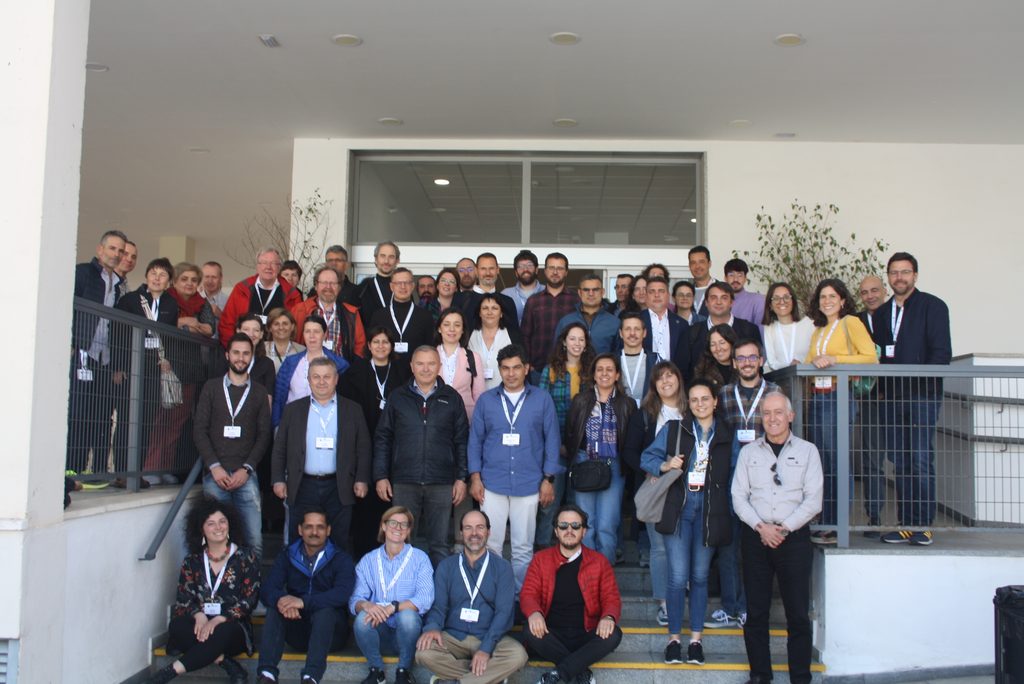
in Seville
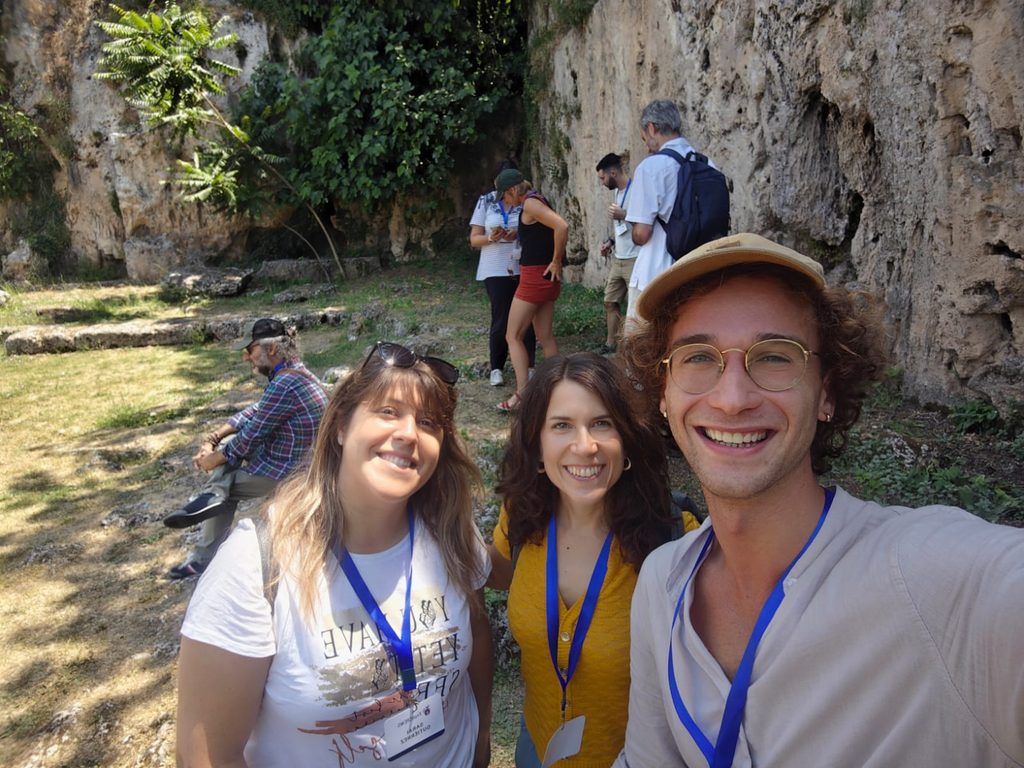
excursion
Prefer to read offline? Download the interview as a PDF, here.